If there are two things that I love doing in life it is partaking in hazardous sports and gambling. In fact, you could say that the two go hand in hand because when you take part in hazardous sports, you are gambling with your safety. I went to South Africa recently where I tried hot air ballooning and visited one of the best casinos I have ever been to. It was the best trip I have ever been on.
My First Hot Air Balloon Trip
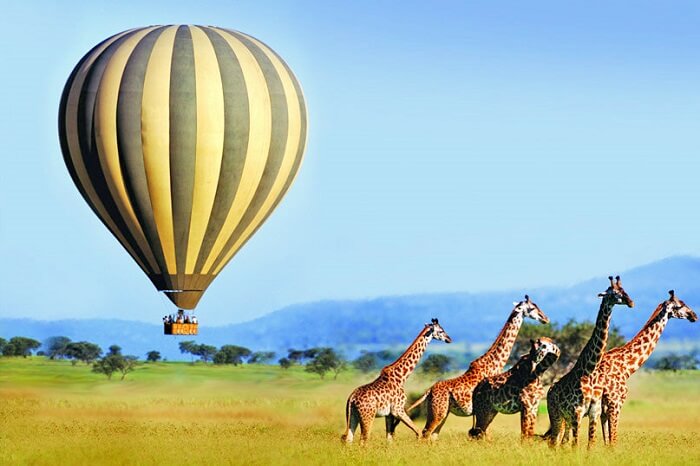
Ever since I was young, I had always wanted to experience what it is like to fly in a hot air balloon. However, I never really got the opportunity until I went to South Africa in December 2019. When I saw an advert for a hot air balloon safari it was something that I knew I could not miss out on.
It was as great an experience as I imagined it would be, and I got to see the true beauty of South Africa. We flew over animals that I had only ever seen at a zoo, and it is safe to say that I was like a kid on Christmas day. In fact, when the experience came to an end in the evening just after sunset, I was pretty disappointed.
However, I took some amazing photographs that will allow me to relive this fantastic experience whenever I am feeling nostalgic,
Why Hot Air Ballooning is a Must for Everyone
Taking a trip in a hot air balloon is an experience that not many people you know will have tried. A lot of people are put off from getting in a hot air balloon because of the horror stories that they have heard about the balloon setting on fire in the air and everyone on board dying a terrible death.
While this has certainly happened, there is a very slim chance of it happening to you. In fact, you have more chance of getting eaten by a shark. Besides, what is the point of living if you do not take a little bit of risk every now and then?
Below I have put some reasons why everyone should get in a hot air balloon at least once in their lifetime.
The Views Are Breathtaking
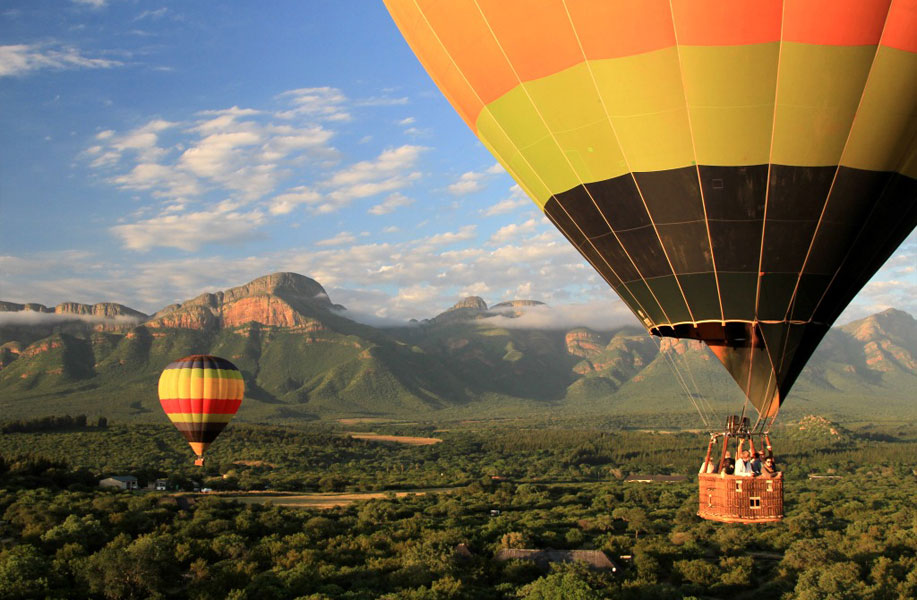
On the ground you might be able to see some amazing views of a location that you have never experienced before, but nothing compares to when you are looking at the same view from a few hundred feet in the air. Okay, you might argue that you can see few from the air when you are traveling somewhere in a plane, but do you honestly think that looking at something from a small window for a few seconds is the same as enjoying it from an open box that is attached to a huge balloon?
You Can See Beautiful Sunsets
If you enjoy watching the sun set from the ground, multiply your enjoyment by 100 and that is somewhere along the lines of the enjoyment that you will get when you watch a sunset from high up in a hot air balloon. Take a couple of snaps and I guarantee that you will be the envy of your friends and family.
It Might Help You Overcome a Fear of Heights
Are you afraid of heights? If you do not like heights, then a trip in a hot air balloon is an experience that could help you to overcome your fears. A hot air balloon experience will allow you to slowly get used to your surroundings and give you nothing but serenity. Furthermore, the beautiful views that are on offer will help you to forget any fears that you might have.
My Visit to Sun City Casino Resort
The day after my amazing experience in the hot air balloon, I headed to the Sun City Casino Resort which is located about two hours from Johannesburg.
I knew this place was big, but nothing had quite prepared me for just how big it really is. In fact, for the first thirty minutes or so I think I was walking around with my mouth wide open.
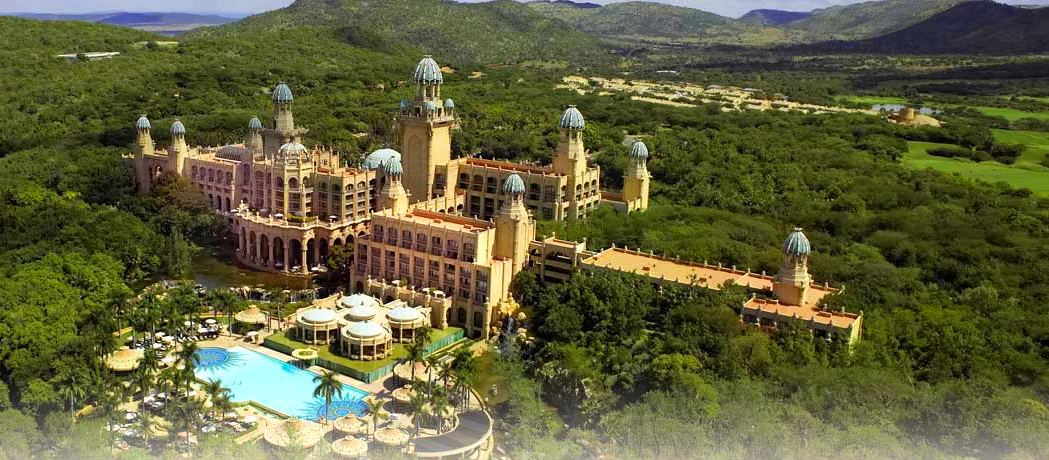
I went into the casino and had fun playing a good variety of slot games and table games. To top it all off, I actually left with more money than when I entered thanks to a couple of lucky spins on the roulette wheel.
After I finished my casino experience, I spent the rest of my time there having a look around the South African Hall of Fame, the Kwena Gardens, the Maze of the Lost City, and the Gary Player Country Club. I also went on a safari at the Pilanesberg Game Reserve, but I am not lying when I say that I preferred my hot air balloon safari.
The Best Trip of My Life
I am fortunate enough to be able to say that I have experienced many great trips throughout my life, but I am not exaggerating when I say that my trip to South Africa is the best one that I have been on. It gave me memories that I will never forget. If you are reading this and find yourself in South Africa one day, I highly recommend that you take a trip on a hot air balloon and visit the Sun City Casino Resort. It is a decision that you will not regret.